Pakistan’s Internal Crisis vs Global Diplomacy: Can It Balance Both?
Introduction
At a time when Pakistan is struggling to maintain internal stability, questions are being raised about its ability to play a meaningful role in global diplomacy—particularly in conflicts involving major powers like the United States and Iran.
While Pakistan attempts to position itself as a mediator, its own internal security challenges, rising terrorism, and economic instability paint a very different picture.
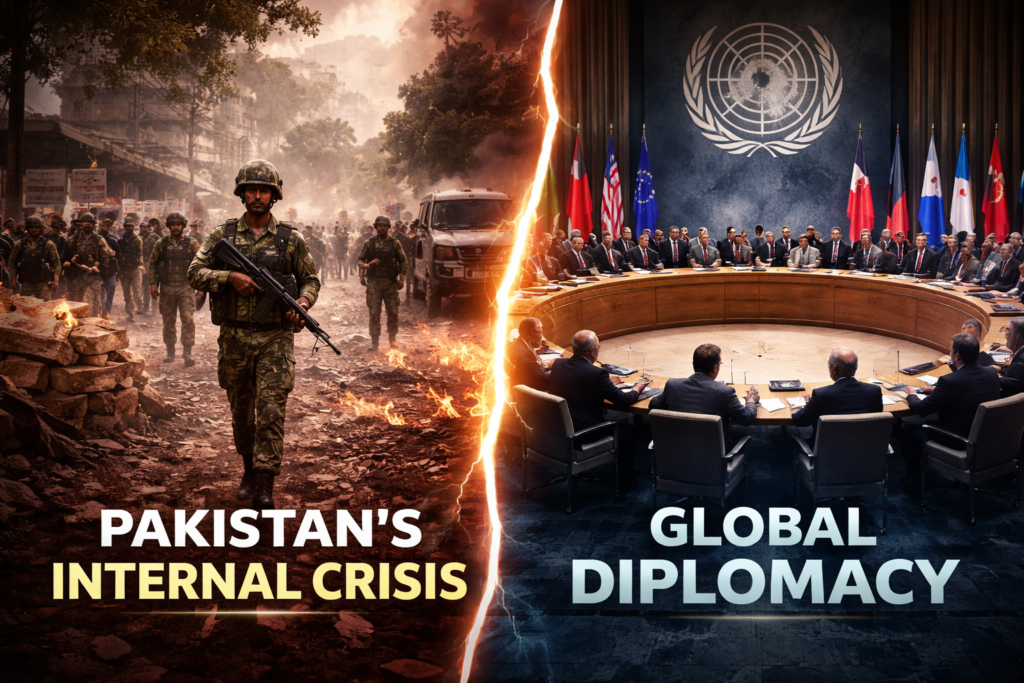
Pakistan’s Growing Terrorism Crisis
Recent global rankings have placed Pakistan among the most terrorism-affected countries in the world. Despite having a capable security infrastructure, the country continues to face:
- Frequent militant attacks
- Internal instability
- Weak counterterrorism outcomes
This raises a serious question:
How can Pakistan contribute to global peace when it struggles to ensure its own security?
Diplomatic Role: Trust vs Capability
The United States has historically viewed Pakistan as a strategic partner. Leaders like Donald Trump have relied on Pakistan for regional negotiations.
However, trust alone is not enough.
- Can Pakistan deliver a diplomatic “face-saving” solution between the US and Iran?
- Can it guarantee compliance from either side?
The reality is complicated:
- If Pakistan supports the US, Iran may reject the outcome
- If it leans toward Iran, US interests may be compromised
This makes a balanced solution extremely difficult.
The Iran–US Conflict: No Easy Exit
The ongoing tensions between Iran and the United States continue to escalate:
- Iran has reportedly carried out retaliatory strikes
- Attacks on US bases and allied targets continue
- Regional instability is increasing
Unlike smaller conflicts, Iran is not a country that easily backs down.
This makes ceasefire negotiations far more complex.
Middle East Escalation & Arab Involvement
There are growing signs that Arab nations may enter the conflict. If that happens:
- The war could expand significantly
- Regional alliances may shift
- Oil markets could face major disruptions
There are also fears of false flag operations, including potential attacks on key oil infrastructure like Saudi oil fields.
Trump’s Strategy: Ceasefire or Delay?
Donald Trump’s temporary pause in military escalation raises two possibilities:
- A genuine attempt to reduce tensions
- A strategic delay to regroup military forces
Reports suggest that thousands of US troops are being deployed to the Middle East, which indicates that the conflict is far from over.
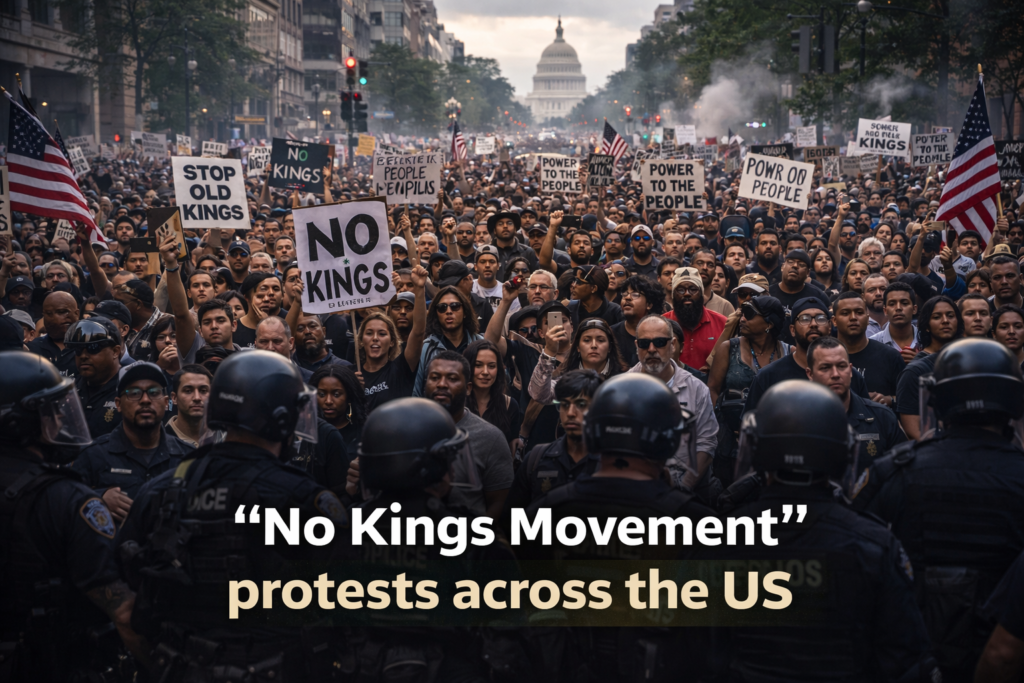
The “No Kings Movement” and Domestic Pressure in the US
Interestingly, Trump is also facing internal pressure from the “No Kings Movement” in the United States:
- Millions of Americans have protested against his policies
- Protests are planned across all 50 states
- Participation is expected to reach up to 9 million people
This internal unrest may be influencing Trump’s foreign policy decisions.
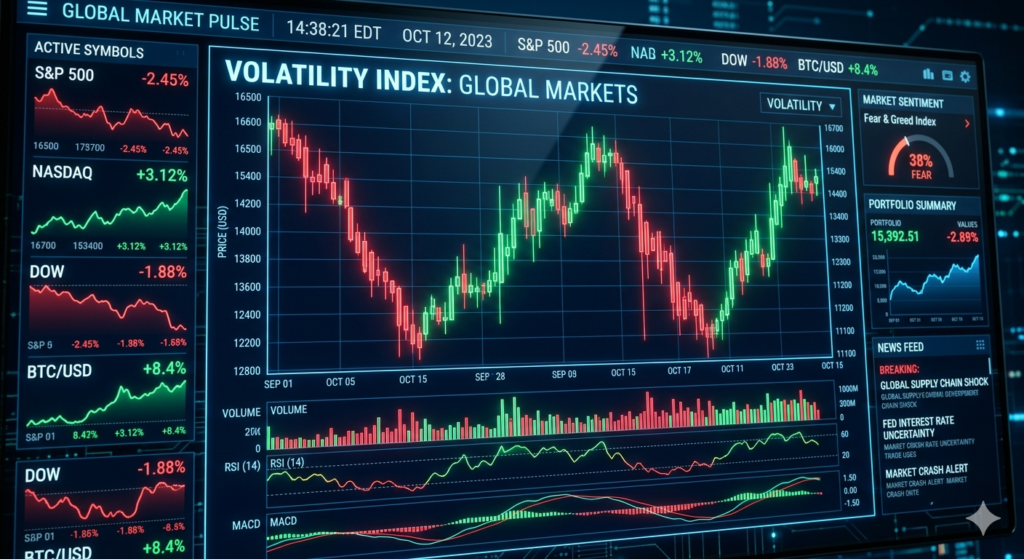
Stock Market Manipulation Concerns
Another fascinating angle is the impact of political statements on financial markets:
- A single statement by Trump boosted markets by $2 trillion
- A counter-statement from Iran caused a $3 trillion drop
This raises critical concerns:
- Are political statements being used to influence markets?
- Who is profiting from these fluctuations?
Many analysts believe that strategic communication is being used to control market behavior.
What Has Pakistan Gained from US Relations?
A key question for many Pakistanis is:
What tangible benefits has Pakistan received?
So far, the outcomes appear limited:
- No major foreign investment
- No significant economic relief
- No reduction in terrorism
- No improvement in stability
- No tourism boom
Meanwhile, countries like India seem to have gained strategic and economic advantages.
Political and Military Dynamics Inside Pakistan
Criticism is growing around Pakistan’s internal governance:
- Increased political interference by institutions
- Economic mismanagement
- Lack of focus on core responsibilities
There are also concerns that:
- National priorities have been sidelined
- Institutional roles have been blurred
- Public trust has weakened
Even public support demonstrations appear limited, indicating a disconnect between institutions and citizens.
Economic Struggles and Public Frustration
Pakistan continues to face:
- Rising inflation
- Increasing unemployment
- Weak economic growth
- Lack of foreign investment
Despite global alignments and diplomatic efforts, everyday citizens see little improvement in their lives.
Key Takeaway
Pakistan stands at a critical crossroads:
- Internally unstable
- Economically strained
- Diplomatically ambitious
Without addressing domestic challenges, its role on the global stage will remain limited.
Suggested Internal Links (for SEO)
- “Impact of Terrorism on Pakistan’s Economy”
- “Pakistan’s Role in Middle East Conflicts”
- “US-Iran Relations Explained”
- “Global Oil Supply and Geopolitics”
Suggested External Links (for authority)
- World Bank – Pakistan Economic Overview
- UN Reports on Global Terrorism Index
- IMF Pakistan Country Reports
- Reuters / Al Jazeera – Middle East Conflict Updates
FAQ Section (SEO Optimized)
1. Why is Pakistan struggling with terrorism?
Pakistan faces complex internal and regional challenges, including militant networks, border instability, and inconsistent policy execution.
2. Can Pakistan mediate between the US and Iran?
While Pakistan has diplomatic ties with both countries, delivering a mutually acceptable solution remains extremely difficult.
3. What is the No Kings Movement in the US?
It is a protest movement opposing policies of Donald Trump, with millions participating across the country.
4. How does war affect global stock markets?
Political instability and war-related announcements can cause massive fluctuations, creating both risks and profit opportunities.
5. Has Pakistan benefited from its relationship with the US?
So far, there is limited evidence of major economic or strategic benefits for Pakistan’s general population.