Iran Rejects Trump’s Claims: No Talks, Rising Tensions, and a Strategic Power Play
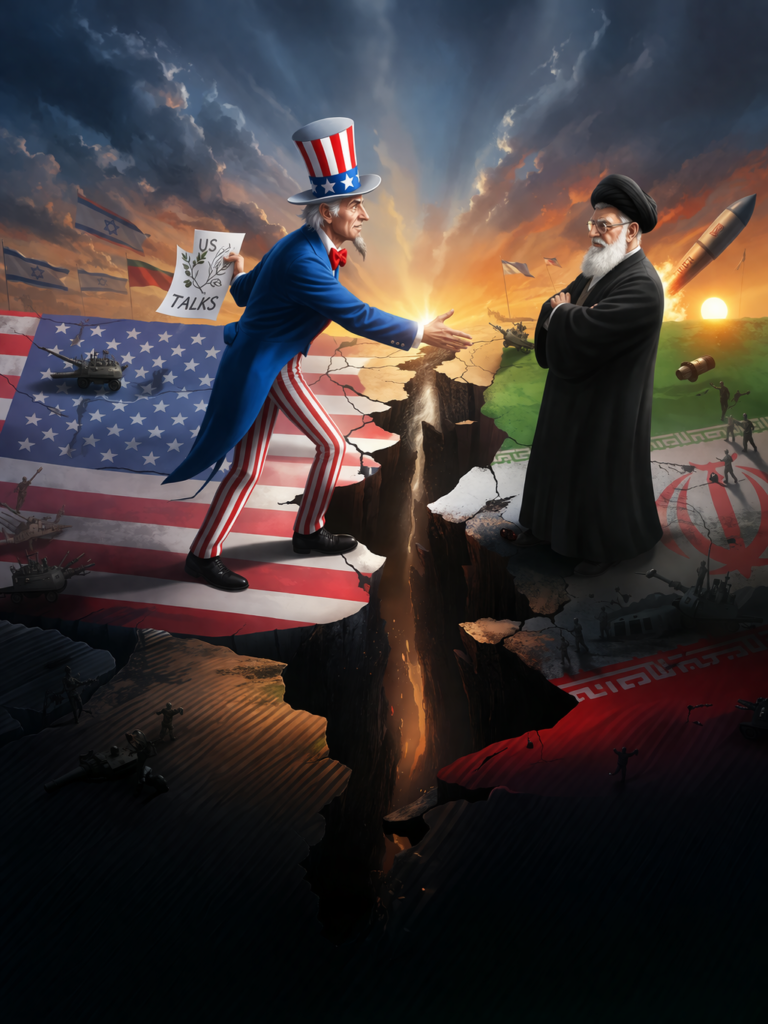
Recent geopolitical developments between Donald Trump, Iran, and the United States have sparked intense global debate. Contrary to claims made by Trump regarding negotiations, Iranian leadership—across military, political, and parliamentary levels—has firmly rejected any notion of ongoing talks.
This article provides a comprehensive, SEO-optimized breakdown of the situation, analyzing statements, strategy, and what this means for global diplomacy.
Iran категорically Rejects Negotiation Claims
Iran has openly dismissed Trump’s assertions about negotiations, labeling them as false and misleading. Statements from Iranian officials—including military spokespersons and political leaders—make it clear:
- There are no active negotiations with the United States
- Iran does not trust U.S. diplomatic intentions
- Any claims of talks are considered fabricated narratives
According to Iranian military representative Lieutenant Colonel Ebrahim Zolfaghari, the U.S. is attempting to mask its failures by presenting them as diplomatic achievements.
“The United States should not label its failures as agreements,” he stated.
Why Iran Refuses to Engage in Talks
1. Deep Distrust of the United States
Iran believes it has been deceived twice before by the U.S., particularly referencing past agreements and withdrawals. This has led to a complete breakdown in trust.
👉 Learn more about U.S.–Iran relations:
🔗 https://www.cfr.org/backgrounder/what-us-iran-nuclear-deal
2. Anticipation of Military Escalation
Iranian leadership suspects that larger military actions are being planned. Engaging in talks under such circumstances is viewed as strategically dangerous.
3. Economic Demands and Oil Markets
Iran has clearly stated that:
- The previous global oil pricing structure must be restored
- Sanctions and economic pressure must be lifted
Without these conditions, Iran sees no incentive to negotiate.
Is a Narrative Being Built Against Iran?
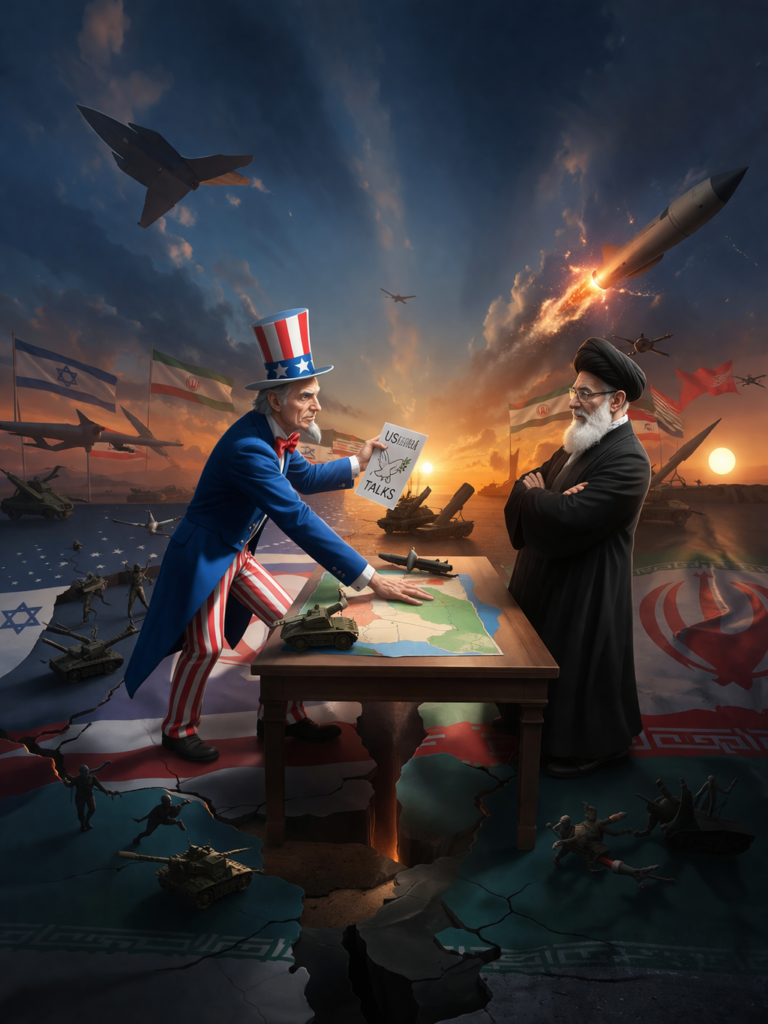
A key concern raised by analysts is the construction of a diplomatic narrative:
- The U.S. may claim it offered peace
- Iran may be portrayed as refusing cooperation
- This could justify future military escalation
This strategy mirrors political narratives seen in other global conflicts, where one side is framed as unwilling to negotiate.
Military Messaging: A Warning to Regional Allies
Iran also sent a strong message to Arab nations hosting U.S. military bases:
“What benefit have these bases brought you?”
Iran warned that in case of an attack by Israel, the U.S. may not defend its regional allies, emphasizing that American priorities lie primarily with Israel.
Mediation Efforts by Global Powers
Several countries are attempting to mediate:
- Pakistan
- Turkey
- Oman
- China
- Russia
However, Iran has reportedly told all mediators:
👉 “We will not be deceived again.”
Pakistan’s Position: A Delicate Balancing Act
Pakistan faces a complex situation:
- Strong public pressure to stay out of war
- Strategic ties with Saudi Arabia
- Diplomatic relations with the United States
Reports also suggest that a tweet by Shehbaz Sharif, later reshared by Trump, may have been pre-drafted by U.S. officials—a claim circulating in international discussions, though not officially confirmed.
Strategic Objective: U.S. Exit from the Region?
Iran appears to be pursuing a long-term objective:
- Reduce or eliminate U.S. military presence in the Middle East
- Strengthen regional autonomy
- Shift global power balance
What Happens Next?
While diplomatic doors are not entirely closed, the current trajectory suggests:
- Increased military tension
- Continued information warfare
- Possible escalation if narratives harden
Featured Image Suggestion
FAQ Section
❓ Is Iran currently negotiating with the United States?
No. Iranian officials have clearly denied any ongoing negotiations.
❓ Why does Iran distrust the U.S.?
Iran cites past experiences where agreements were not honored, leading to a complete lack of trust.
❓ Could this situation lead to war?
While not certain, the risk of escalation is increasing, especially if diplomatic narratives are used to justify military action.
❓ What role is Pakistan playing?
Pakistan is attempting to balance diplomacy while facing internal and external pressures to stay neutral.
❓ Are global powers trying to mediate?
Yes, countries like Turkey, China, and Oman are actively trying to reduce tensions.