Iran vs United States: Ceasefire Demands Explained
The ongoing tensions between Iran and the United States have brought global attention to a possible ceasefire. Both sides have presented clear—but very different—demands. Understanding these conditions is crucial for anyone following Middle East geopolitics, global security, and energy routes.
In this article, we break down what each side wants, why it matters, and what could happen next.
US Demands for Ceasefire with Iran
According to statements attributed to Donald Trump, the United States has placed two major conditions on Iran:
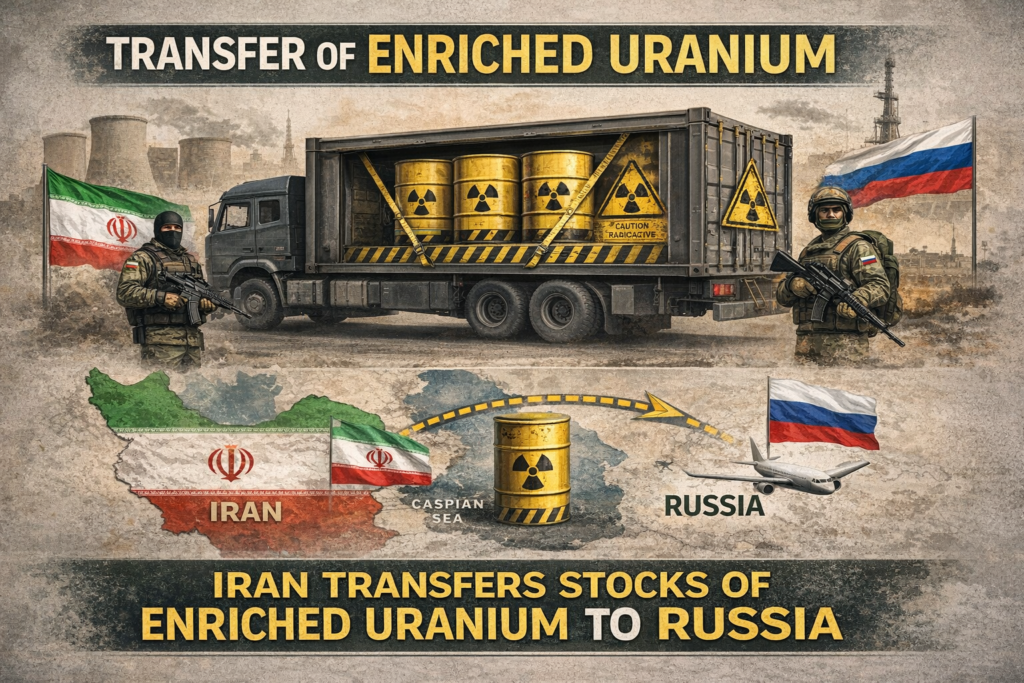
1. Transfer of Enriched Uranium
The US demands that Iran hand over its 60% enriched uranium directly to the United States.
- This uranium has already been verified and enriched by Iran.
- The US insists it must not be transferred to any third party.
This demand is tied to concerns over nuclear weapons development and global security.
2. Immediate Opening of the Strait of Hormuz
The US also wants Iran to unconditionally reopen the Strait of Hormuz.
- This is one of the world’s most critical oil shipping routes.
- Any disruption affects global energy prices and supply chains.
Iran’s Demands for Ceasefire
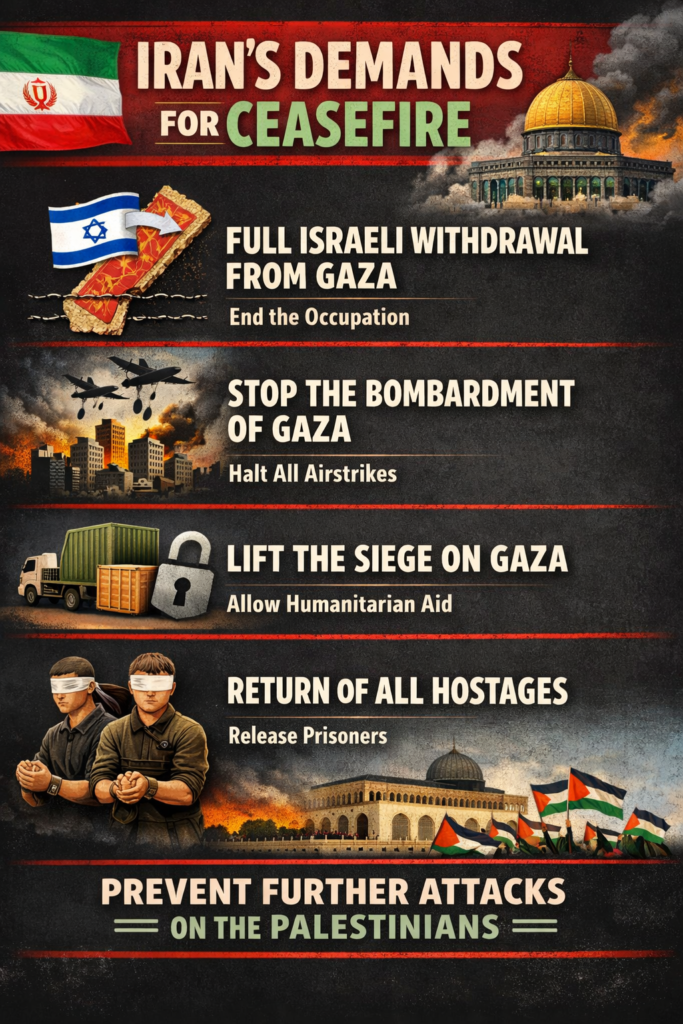
Iran has presented a broader and more complex set of conditions. These demands have evolved but remain rooted in sovereignty, economic relief, and security.
1. Removal of Sanctions
Iran demands the lifting of all economic sanctions so it can:
- Trade freely
- Reintegrate into the global economy
2. Compensation for War Damages
Iran seeks financial compensation for losses caused during the conflict.
- Some estimates suggest claims could reach $100 billion.
3. Control Over Strait of Hormuz & Transit Fees
Unlike the US demand, Iran wants to:
- Maintain control over the Strait
- Charge fees or tolls on passing ships (similar to other global maritime routes)
4. Security Guarantees
Iran insists on strong guarantees that:
- No future attacks will be launched against it
- A lasting peace agreement will be honored
5. Regional Military Changes
Iran’s additional demands include:
- Ending attacks on Hezbollah
- Withdrawal or reduction of US military presence in the Gulf region
6. Gaza and Regional Influence
Iran also emphasizes the situation in Gaza Strip, where:
- Groups like Hamas have shown support for Iran
- Iran wants broader regional considerations included in negotiations
Israel’s Position and Strategic Timing
Benjamin Netanyahu has also entered the discussion, signaling openness to a deal.
- He reportedly agrees with Donald Trump on pursuing negotiations
- Israel views this as a critical window to prevent Iran from becoming a full nuclear power
This timing is key because:
- If Iran becomes a nuclear state, strategic dynamics will shift permanently
- Future military intervention would become far more difficult
⚖️ Key Differences Between US and Iran Demands
| United States | Iran |
|---|---|
| Hand over enriched uranium | Lift sanctions |
| Open Strait of Hormuz | Control Strait + collect fees |
| Focus on nuclear restriction | Seek compensation |
| Immediate actions | Long-term guarantees |
| Limited demands | Broad regional conditions |
🌍 Why This Ceasefire Matters Globally
- Energy Security: The Strait of Hormuz handles a major portion of global oil trade
- Nuclear Non-Proliferation: Uranium control is central to preventing nuclear escalation
- Middle East Stability: Involves multiple actors including Israel, Hezbollah, and Gaza
- Global Politics: Impacts US credibility and influence worldwide
🔍 Final Analysis
The gap between US and Iranian demands is wide and complex.
- The US is focused on immediate security concerns
- Iran is pushing for long-term political, economic, and military changes
A ceasefire is possible—but only if both sides make significant compromises.